
Comparing OpenTofu vs. Terraform for existing infrastructure? Learn why this operational shift is about more than just licensing. Explore migration paths, state management continuity, and how to transition without disrupting production reliability.
Workflows solve the problem of provisioning complex infrastructure resources that have dependencies, and using multiple frameworks for your infrastructure-as-code.
Let us never forget that DevOps is about culture, people, and process, not just tools or technology. Software may enable good culture and behavior. But technology brings a benefit if and only if it diminishes a limitation. And the most important limitations to address are the explicit and implicit rules that uphold the status quo, or “doing it the way we always have.”
DevOps engineers sometimes need to perform one-off commands on their Terraform code or state. For example, “terraform import” or “terraform state rm”, or any other Terraform or bash commands. The problem is that it is dangerous to allow users to work directly from a terminal.
If you have deployed anything with an Infrastructure as Code framework (Terraform, Pulumi, etc…) recently, then you have interacted with a state file, and may not have even known it! So, what is the state file? Why is it important? What should you do with it? These are some of the most asked questions when it comes to Infrastructure as Code management. So, let’s get into it!
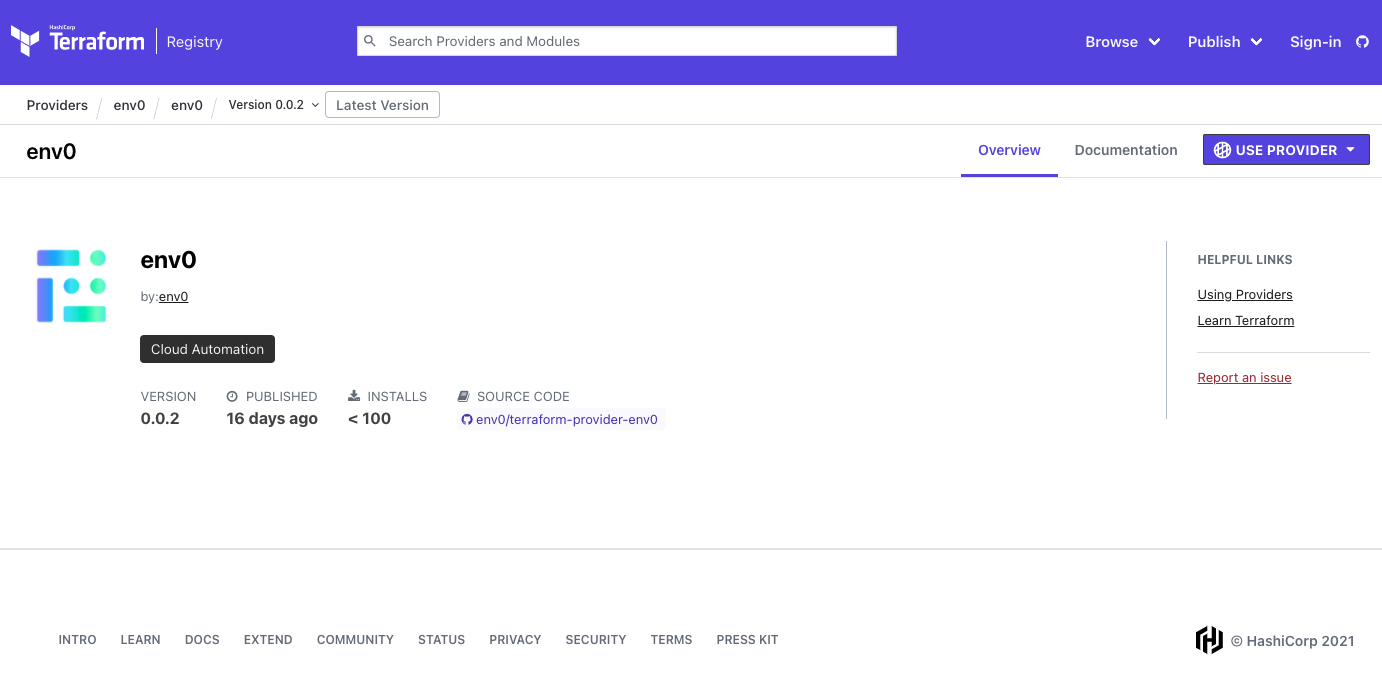
Nowadays all is heavy-automated and so, as requested by many of our customers, we now offer a Terraform Provider for the env0 platform! env0 is now extensible with UI, API, CLI, and Terraform Provider.
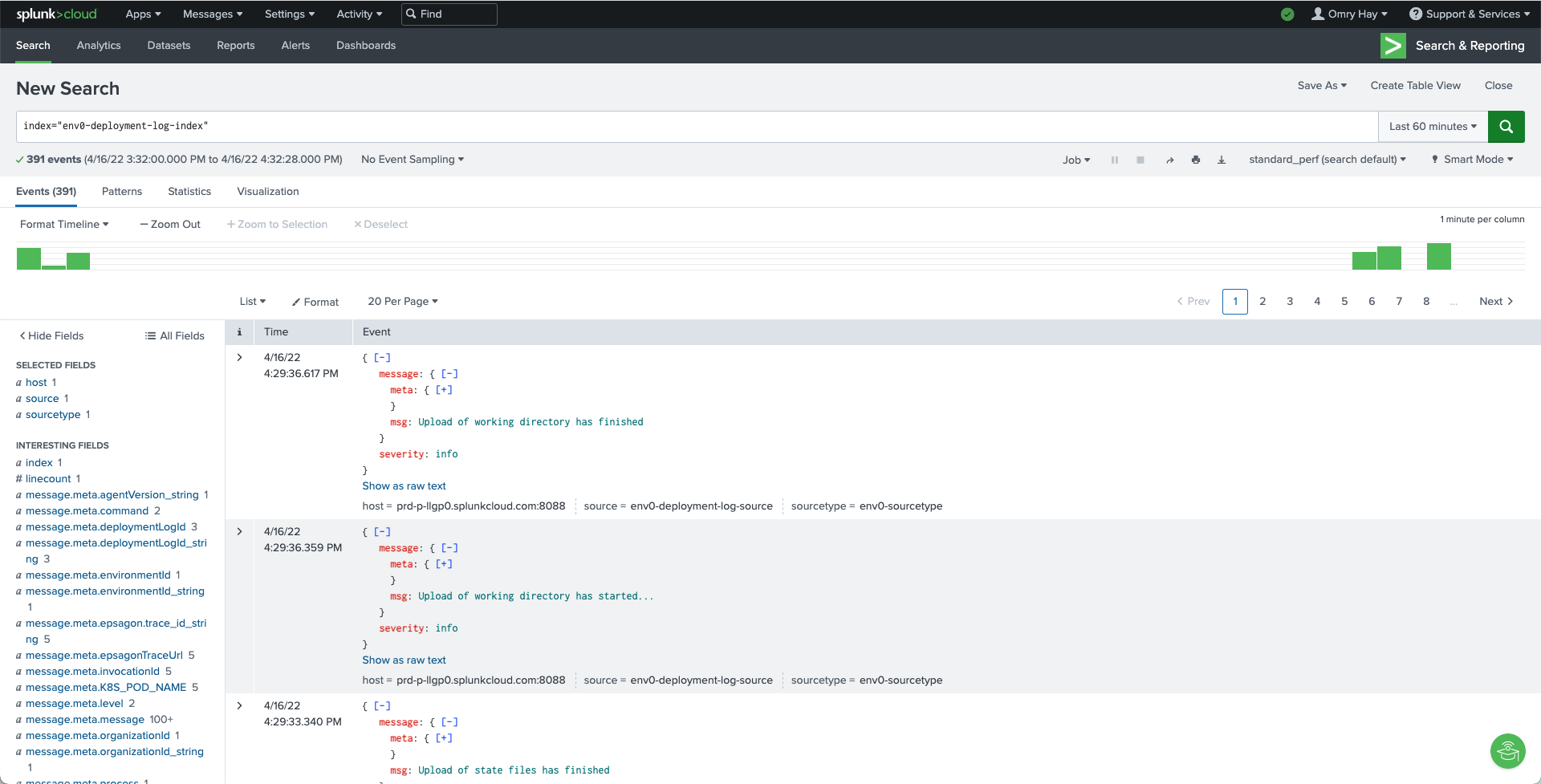
You can now integrate env0 with a logging aggregator of your choice. Easily export all of your env0 execution, event, and access details for analysis in your SIEM or monitoring platform.
Infrastructure is typically built up from multiple layers, starting with the network to the compute layer. In order to deploy your K8s cluster, you typically need your subnets and VPCs defined ahead of time. As I talk to customers about their IaC deployment challenges, I often get asked how env0 can help with orchestrating dependencies amongst these multi-tiered, multi-layered infrastructure deployments.
env0 is enabling the ability to automatically detect drift and make sure real-world resources in the cloud provider are aligned with Infrastructure as Code files, a huge thing for those Infrastructure as Code users world-wide!
Before virtualization became commonplace in businesses and enterprises, admins needed to go through lengthy spec-build-procure-install cycles to add new hardware—and thus compute capacity— into an environment.
We have seen a lot of content that pits Ansible and Terraform against one another. Our challenge is that Ansible and Terraform are two similar tools that are purpose-built to achieve two different goals. Rather than ask about Ansible vs Terraform, we should ask about how these two extremely powerful tools can be used together. Then, coupled with the env0 platform and the Red Hat Ansible Automation Platform, the automation possibilities are nearly limitless.
Private Terraform Modules have become a standard for organizations that place a heavy emphasis on Infrastructure as Code. With that, a need for a central location to manage and collaborate on those private Terraform modules has become apart. This blog will help discover the importance of a Module Registry and highlight the capabilities along side the env0 Terraform Provider.
Based upon countless hours of speaking with SREs, DevOps practitioners, Iac Developers, and Management; we have decided to introduce Organization Dashboards that help solve a few areas of aggregate visibility.
In this webinar, env0 DevOps Advocate Tim Davis will be joined by Ryder Damen, the new Developer Advocate with Indeni. We'll go over the complex topic of Compliance in continuous automation, and even show a demo of Cloudrail in action in the env0 platform!
You like env0 because it can automate your IaC deployment process, but you also like your existing manual approval workflow through Jira or ServiceNow. With env0’s custom flow and API, we can easily integrate your manual approval workflow with env0’s IaC deployment workflow. This blog will show an example of approving the env0 deployment through your ticketing system.
Are you currently automating your Infrastructure as Code/Terraform deployments, or are you investigating that ability now? One key piece of being successful is making sure you don't overrun the budget when you open up the ability to deploy to teams.
This quick video talks about Terratag, the CLI tool allowing for tags or labels to be applied across an entire set of Terraform files. Terratag will apply tags or labels to any taggable AWS, GCP, and Azure resources.